


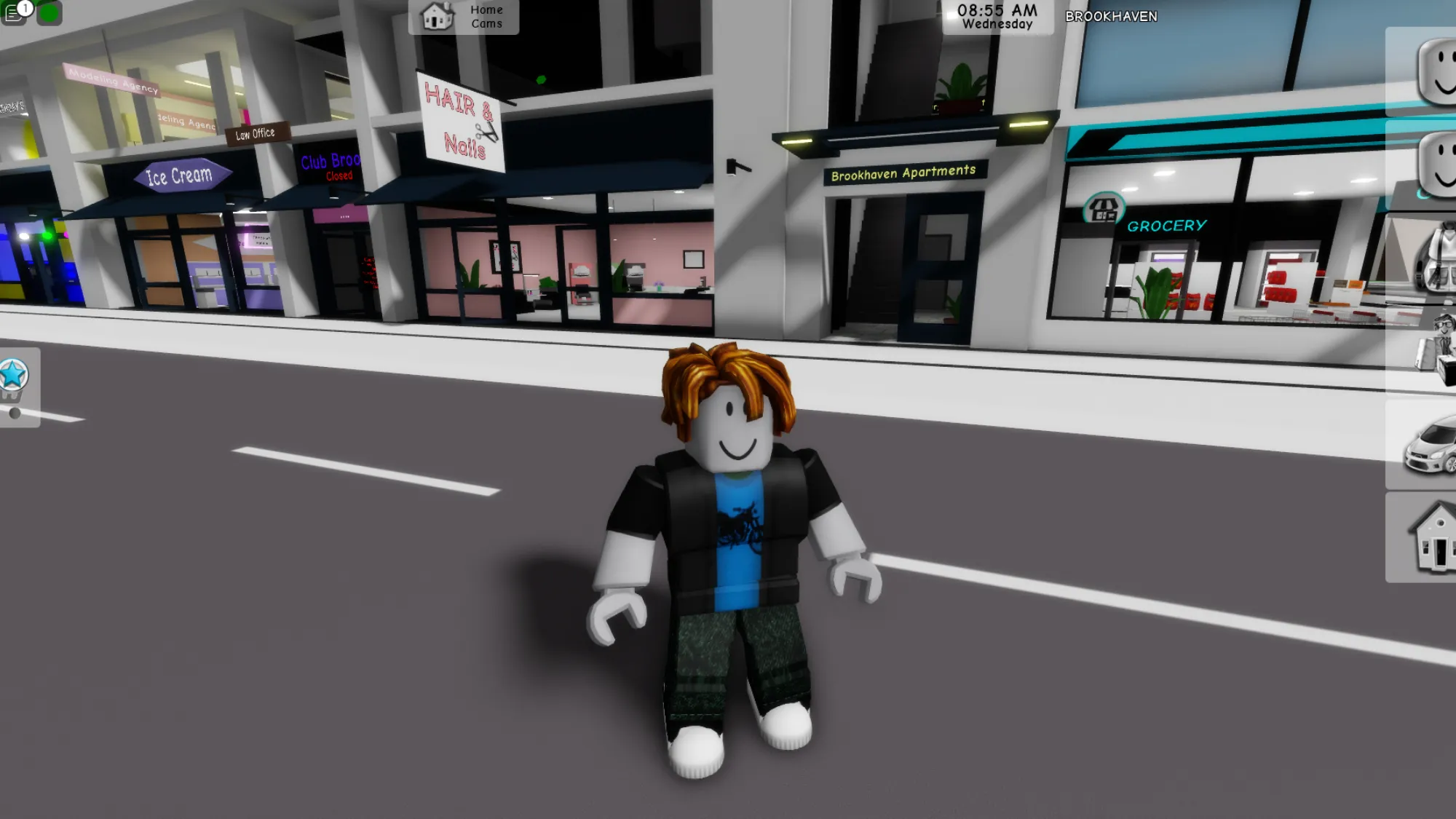
If you have a child who plays online games, you are not behind the times. You are raising a kid in the modern world.
Gaming today is less like sitting alone with a joystick and more like hanging out at Centennial Park after school. Kids build friendships, collaborate, laugh, compete, and create entire social worlds together. For most families, it is a positive space.
But recent reporting and research suggest something important for parents and communities to understand: the same social features that make gaming meaningful for young people can also attract groups looking to influence vulnerable kids.
This is not a cause for panic (let’s not slip into the Heavy Metal Panic of the 1980s here). It is a call for awareness as parents. The kind that strong communities like Nashville have always practiced.
Before diving in, here are the primary sources informing this article: https://www.nytimes.com/2026/02/11/world/europe/online-extremism-gaming-children.html
Global Network on Extremism and Technology research:
Virtual Worlds, Real Threats: Violent Extremist Exploitation of Roblox and Wider Gaming Ecosystems
NBC News investigation:
https://www.nbcnews.com/tech/tech-news/extremists-creep-roblox-online-game-popular-children-n1045056
What Experts Are Seeing. Without The Alarmism Most Media Outlets Will Use For Clicks.
The New York Times reports that children now account for 42 percent of terrorism-related investigations, a figure that has tripled since 2021.
Researchers interviewed for the article describe extremist groups adapting to the digital habits of younger generations, sometimes using gaming platforms alongside social apps to connect with minors.
Importantly, experts emphasize that many of these young people are not initially driven by ideology. Instead, some appear to be searching for identity, belonging, or connection — normal developmental needs that every teenager experiences.
The research organization GNET similarly notes that extremists are drawn to gaming platforms because they function as large social ecosystems where users interact freely and build communities.
And NBC News documented instances of extremist imagery and usernames appearing inside youth-heavy gaming spaces, underscoring the moderation challenges created by enormous volumes of user-generated content.
Here is the key takeaway for parents:
Games themselves are not the threat.
Isolation is.
When young people feel connected to friends, mentors, teammates, teachers, youth leaders they are far less likely to be influenced by harmful communities.
Why This Is Showing Up Now
One expert cited in the Times points to a convergence of factors:
- the first fully digital generation
- constant smartphone access
- parents still learning how to supervise online spaces
In many cases, minors move gradually through what investigators call “funnel strategies,” shifting from mainstream platforms toward smaller, less moderated digital communities.
That progression is rarely dramatic. It tends to be social.
A conversation.
A joke.
An invitation to another chat.
Most kids will never encounter this pathway, but understanding that it exists helps parents guide rather than react.
The Encouraging Reality for Nashville Families
Here is the part often missing from national conversations:
Communities are protective infrastructure.
And Nashville has a lot going for it.
Youth sports leagues.
Performing arts programs.
Church and service groups.
After-school clubs (STEM BASED OR JUST FUN).
Neighborhood gatherings.
Mentorship networks.
These are not just activities.
They are buffers against digital vulnerability.
Research consistently shows that young people who experience strong real-world belonging are less likely to seek identity in risky online spaces.
Put simply:
Connection is prevention.
The Five Biggest Risks Parents Should Understand
Not to worry, but to stay informed.
1. Loneliness can make kids more impressionable.
Experts note that some targeted youth appear socially adrift rather than ideologically committed.
2. Gaming platforms function as social networks.
Kids are talking, collaborating, and forming friendships — often with people they have never met in person.
3. Influence tends to be gradual.
Investigators describe pathways guiding young users from mainstream spaces toward more insular communities.
4. Emotional bonding is powerful.
Families have reported situations where online groups formed deep psychological connections with teens.
5. Some networks attempt manipulation.
Authorities have warned about groups pressuring minors into harmful behavior and using it as leverage.
Again, these cases are not the norm.
But awareness helps families respond early if something feels off.
Five Household Practices That Build Digital Resilience
Think of these less as rules and more as family culture.
1. Prioritize human-to-human interaction.
Encourage participation in clubs, arts, athletics, volunteering, and youth leadership. Anywhere friendships grow in three dimensions instead of two.
A busy, connected pre-teen or teenager is a protected teenager.
2. Keep gaming visible.
Shared family spaces naturally create awareness without feeling intrusive.
3. Talk about online life the way you talk about school.
Ask who they play with.
What games they enjoy.
What makes those spaces fun.
Curiosity builds trust.
4. Establish a simple safety norm.
If someone asks them to move a conversation to a private platform, they should check in with a parent first.
Not because they are in trouble, but because guidance matters.
5. Make openness consequence-free.
Children should know they can bring uncomfortable interactions to you without fear of losing privileges.
When kids feel safe talking, small concerns stay small.
Five Signals That Deserve Gentle Attention
No single behavior means something is wrong. But patterns can guide conversations.
-
Increased secrecy around devices
-
Withdrawal from longtime friends
-
Sudden fixation on new online contacts
-
Major mood shifts
-
Loss of interest in previously loved activities
Approach these moments with calm curiosity rather than confrontation.
Connection works better than control.
The Bottom Line
Online games are not going away, nor should they. They provide creativity, teamwork, and genuine friendship for millions of young people.
The goal is not restriction.
It is preparation.
When children feel rooted in real relationships and supported by attentive adults, harmful groups lose their strongest recruiting tool.
Belonging.
So encourage the robotics club.
Drive them to rehearsal.
Sign them up for that service project.
Say yes to the team.
Because the strongest firewall has never been software.
It has always been people.
And Nashville has plenty of those.

